
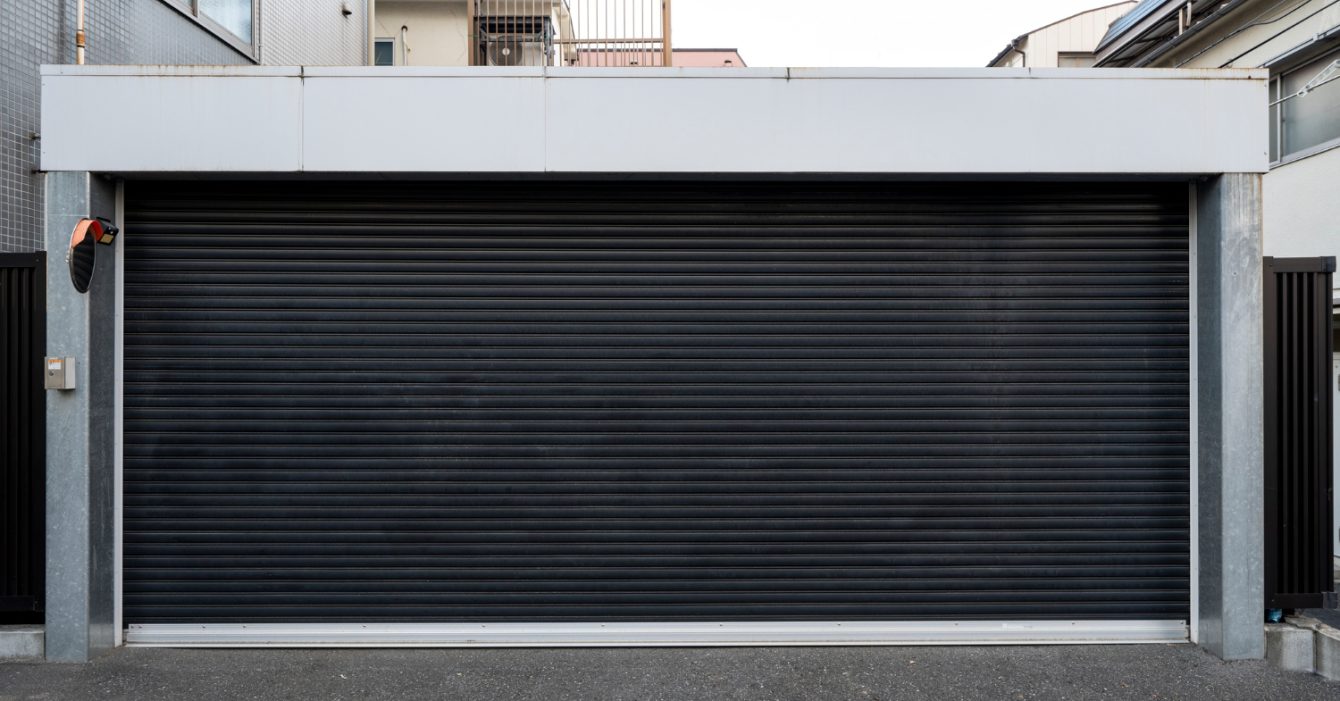
Sliding gates are a clean way to control access without taking up yard space. In Richmond, where driveways can be short and lots can be tight, a sliding gate is often the easiest option for homes, duplexes, and light commercial spots. At ICE BLUE STEEL LTD., we build and install sliding gates that match the property, the daily routine, and the look of the fence line.
If you are also planning a full perimeter, pairing a gate with a fence is common, and many clients look at Fence options at the same time.
Why sliding gates work well in Richmond
A swing gate needs room to open inward or outward. A sliding gate moves sideways, so it can fit in spots where a swing gate would feel annoying.
Sliding gates are a great fit when you have:
- A shorter driveway and need to keep parking space
- A sloped driveway where a swing gate would scrape
- A wide opening that would make swing gates heavy
- A busy street where an outward swing is not ideal
- A wish for a tidy look along the fence line
For some homes, a swing gate still makes sense, so it helps to compare with Swing Gates before picking a direction.
Real world places where sliding gates get used
You do not need a mansion for a sliding gate. In Richmond, we see them in everyday spots:
Homes and driveways
A sliding gate can add privacy, keep kids and pets inside, and cut down random foot traffic. It also helps when you want deliveries to stop at the gate instead of coming right up to the garage.
Townhomes and shared lanes
Shared drive aisles can be tricky. A sliding gate helps control who comes in, while still keeping things simple for residents.
Shops and small yards
A sliding gate works well for side yards where you store tools, bins, or business gear. For many owners, it feels calmer knowing the space is closed off.
Warehouses and light industrial lots
Sliding gates are common for loading zones and parking areas, where you want a wide opening and steady use.
If your project includes metal stairs or platforms, you may also want a look at Steel Structures for frames and support work.
Common gate styles and infill choices
The frame matters, but the infill is what you see every day. A few popular directions:
Privacy style
- Solid or near solid panels
- Great for front yards facing the street
- Helps with wind and noise, depending on layout
Modern picket style
- Vertical pickets with even spacing
- A simple look that fits newer builds
- Easy to match with fencing
Mixed metal and glass
Some clients like a gate that ties into railing work on the same property. If you have balcony or deck railings, a clean pairing can be a nice touch with Glass Railings or Cable Railings.
Aluminum look
If you like low upkeep, you may also like aluminum rail systems around the home. For ideas, see Aluminum Railings.
Track, cantilever, and the way the gate moves
Sliding gates usually fall into two main types.
Track sliding gates
A track is set along the driveway line. The gate rolls on wheels that ride that track.
Best for:
- Flat areas
- Simple layouts
- Places where you can keep the track clear
Things to know:
- Leaves, gravel, and snow can gather in the track
- A small cleanup routine helps keep it smooth
Cantilever sliding gates
The gate rides on rollers attached to posts, and the gate “floats” without a ground track across the driveway opening.
Best for:
- Spots where you want no track in the driveway
- Sloped entries
- Areas with gravel or yard run off
Things to know:
- Needs space on the side for the gate to slide back
- The posts and frame need solid support
What affects pricing
Gate pricing can range a lot, and it is usually tied to the build and the site. Here are the main factors in plain language:
- Opening width and gate height
- Gate type: track vs cantilever
- Infill style: pickets, panels, mixed materials
- Finish: paint, powder coat, or other coating
- Posts and footings: soil, drainage, and access
- Manual gate vs motorized gate
- Power and wiring distance for a motor
- Locks, keypad, fob system, intercom, safety loops
- Site access: tight lanes, parking limits, slope
- Permits or strata rules for some properties
If you are also adding matching railing lines, that can change how the project is planned. Some clients bundle gate work with Custom Railings or Custom Handrails so the metal finishes look consistent.
What the install process looks like
Here is how a sliding gate job usually goes, step by step, without any fuss.
- Site visit and measurements
We check the opening, the run back space, slope, and where posts can go. - Style and layout choices
You pick the look, spacing, height, and finish. We also talk about latch or motor choices. - Fabrication
The gate frame and infill are built in the shop, based on your measurements. - Footings and posts
We set posts and hardware with solid anchors, since that is the backbone of the gate. - Track or roller setup
For track gates, the track is set straight and level. For cantilever gates, rollers are set and aligned. - Hanging the gate and alignment
The gate is mounted, rolled, and adjusted so it moves right and sits square. - Hardware and safety items
Latches, locks, stoppers, and safety parts get set in place. - Motor and access setup, if included
If you chose automation, we set the operator, wire it, and test remotes or keypad. - Final check and walk through
We test open and close cycles, check clearances, and go over basic care.
For a broader view of what we do across metal work, you can also skim Services and see how gates fit in with railings, stairs, and structures.
Basic care tips for a smooth gate
A sliding gate does not need a lot, but a little attention helps.
- Keep the path clear of rocks and yard debris
- Rinse the track area now and then if you have a track gate
- Check that stoppers and latches stay snug
- If you have a motor, keep the sensors clean
- If something sounds off, deal with it early before it turns into a bigger fix
Common questions
1) Is a sliding gate better than a swing gate for a short driveway?
Often yes, since it does not take driveway space while opening. It slides sideways instead.
2) Do I need a track across my driveway?
Not always. A cantilever gate avoids a driveway track, but it needs more side room and strong posts.
3) Can a sliding gate be motorized later?
In many cases, yes, as long as the frame, posts, and layout can handle the operator setup.
4) What finish holds up well in Richmond weather?
A good coating matters, and the right choice depends on the look you want and the site. We talk through paint vs powder coat during planning.
5) How long does installation take?
It depends on footings, site access, and whether there is a motor. Many installs are done over a few visits.
6) Will the gate work on a sloped driveway?
Often yes. Cantilever gates are a common pick for slope since there is no track in the driveway opening.
7) Can you match the gate to my fence and railings?
Yes, matching spacing and finish is common. Some clients pair the look with Stainless Steel Railings or other railing styles.
8) Where can I see more gate info?
You can start at the Gates page, then check Sliding Gates for details.
When you should call a gate team sooner
A few moments where it helps to reach out early:
- You are doing a new driveway pour and want the gate layout set first
- You are adding a fence line and want posts aligned as one system
- You are in a strata setting and need drawings or clear specs
- You want keypad or intercom access and need planning for wiring routes
If you like reading tips like this, you can also check the Blog for more posts.
Ready to plan your sliding gate in Richmond?
If you want a sliding gate that feels right for daily use, reach out and tell us what you have in mind. Share a photo of the driveway, a rough width, and any style you like, and we will take it from there. Use the Contacts page to ask for a quote or book a site visit. If you want to know more about our shop and the way we work, see About.