



Yes, a qualified railings company can design and install railings in accordance with BC code requirements. However, compliance depends on the project, measurements, materials, and installation. The BC Building Code covers handrails, guards, heights, openings, and structural loads.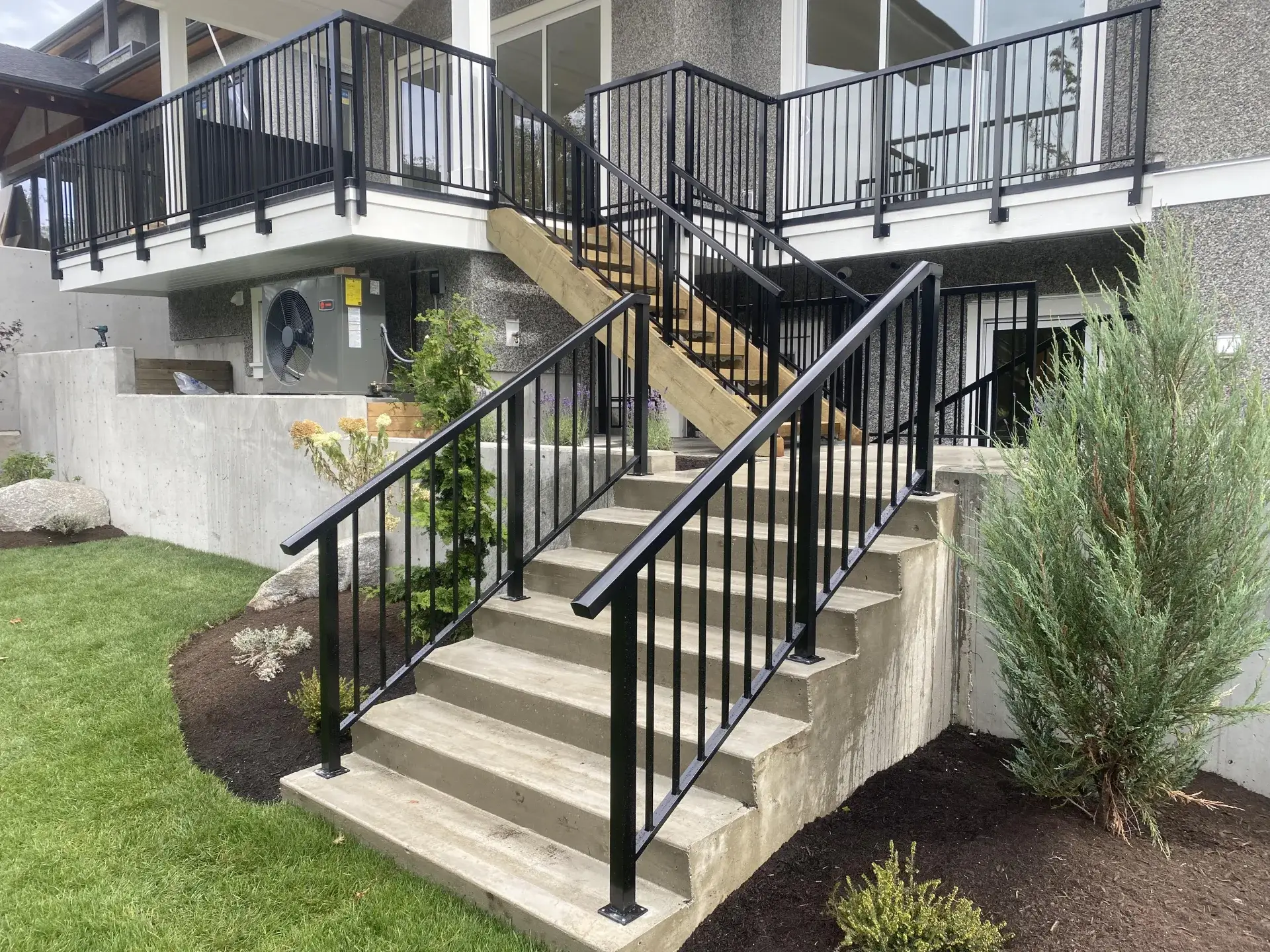
A skilled fabricator must consider these details from the start. ICE BLUE STEEL LTD. provides custom railings, stairs, gates, and steel fabrication. Its team handles design, fabrication, delivery, and installation. This approach can help create safe and suitable railing systems.
How Can a Railings Company Follow BC Building Code Requirements?
Check the Project Before Designing
Every railing project starts with understanding the building and its use. The railing may serve stairs, balconies, ramps, or raised areas. Each location can have different requirements under the code. A professional team should review the site before creating the design.
This helps identify height, spacing, access, and support needs. Site measurements also help prevent costly changes later. The team can identify unusual corners, slopes, or mounting surfaces. These details can affect the final railing design. Custom planning helps create a suitable solution for each property.
Measure the Required Railing Height
Railing height is an important safety detail. The correct measurement depends on the railing’s location and purpose. BC Building Code includes specific requirements for guards and handrails. Certain exit guards require a minimum height of 1,070 mm. Handrails also have their own height requirements.
Stair and ramp handrails generally require heights between 865 mm and 1,070 mm. Accurate measurements help the finished railing meet these requirements. A railing company should confirm measurements before fabrication begins. This can prevent avoidable adjustments during installation.
Plan Safe Opening Sizes
The spaces between railing components also matter. Openings that are too large can create safety risks. BC Building Code limits certain guard openings to prevent dangerous passage. Some exit guards must prevent a 100 mm sphere from passing through. This affects the choice of posts, rails, glass, and cables.
It also affects decorative patterns and spacing. A design may look attractive but still require changes. Proper planning keeps safety and appearance working together. The final spacing should match the applicable building requirements. This helps create a safer railing system.
Build Strong Supports
A railing needs more than a strong-looking surface. Its posts, connections, and supports must handle expected forces. BC Building Code includes loading requirements for handrails and supports. Weak mounting points can reduce the railing’s overall performance. The supporting surface must also suit the installation method.
Concrete, steel, and wood may require different mounting solutions. Experienced metal fabrication in Vancouver bc can help create strong custom components. Proper fabrication supports reliable installation and long-term performance. Each connection should be considered during the design process.
Choose Suitable Materials
Material selection can affect strength, durability, and maintenance. Steel, stainless steel, aluminum, and glass suit different projects. Each material has different properties and installation needs. The surrounding environment should also guide the material choice. Outdoor railings face moisture, temperature changes, and regular exposure.
Coastal areas may require extra attention to corrosion resistance. Interior railings may have different maintenance concerns. ICE BLUE STEEL LTD. works with metal, glass, and aluminum products. The material should always match the project’s safety and design requirements.
Keep Handrails Easy to Grip
A handrail should provide reliable support during movement. The BC Building Code includes requirements for handrail shape and graspability. Required handrails must remain continuously graspable along stairs and ramps. The clearance behind a handrail also matters.
Required handrails must maintain specific clearance from surrounding surfaces. These details can affect the rail profile and mounting position. A designer should consider them before fabrication. The result should feel comfortable and secure during everyday use. Proper handrail design supports both safety and convenience.
Plan Continuous Handrails
A handrail should not stop unnecessarily along a stair or ramp. BC Building Code requires continuity in several situations. At least one required handrail must continue through the stair or ramp. The code also addresses extensions beyond the top and bottom. Required handrails may need to extend at least 300 mm.
These details should appear in the design plan. They should not become last-minute installation decisions. Careful planning helps the final railing support safe movement. It also creates a more consistent experience for people using stairs.
Consider the Type of Building
The building’s use can affect railing requirements. A private home may have different needs from a commercial property. Public areas can also experience heavier traffic and greater usage. The project team should understand the building’s occupancy and intended use.
This helps guide the railing design from the beginning. A standard railing design may not suit every location. Custom fabrication can provide better control over the final solution. The railing should suit both the building and its expected users. This makes project-specific planning especially important.
Conclusion
A railings company can support BC Building Code requirements through careful planning and fabrication. However, every project needs its own measurements and design review. Height, openings, handrail placement, materials, and structural support all matter.
ICE BLUE STEEL LTD. offers custom railings, stairs, glass systems, and metal fabrication services. Our team can support projects from design through installation. Contact us for project-specific guidance and custom metal fabrication in Vancouver bc. A professional team can help balance safety, durability, and design.